Back to case studies

Industrial Automation

Electromagnetic Slag Detection and Steel Casting Optimization System

Developed an industrial electromagnetic slag-detection platform for molten-steel casting optimization using FPGA-based signal analysis, custom six-layer PCBs, industrial PLC systems, and real-time electromagnetic sensing.
  • Zynq FPGA
  • ARM Processing Systems
  • Vivado
  • Siemens S7-1200
  • STM32H7
  • Embedded C
  • Mixed-Signal PCB Design
  • Industrial HMI
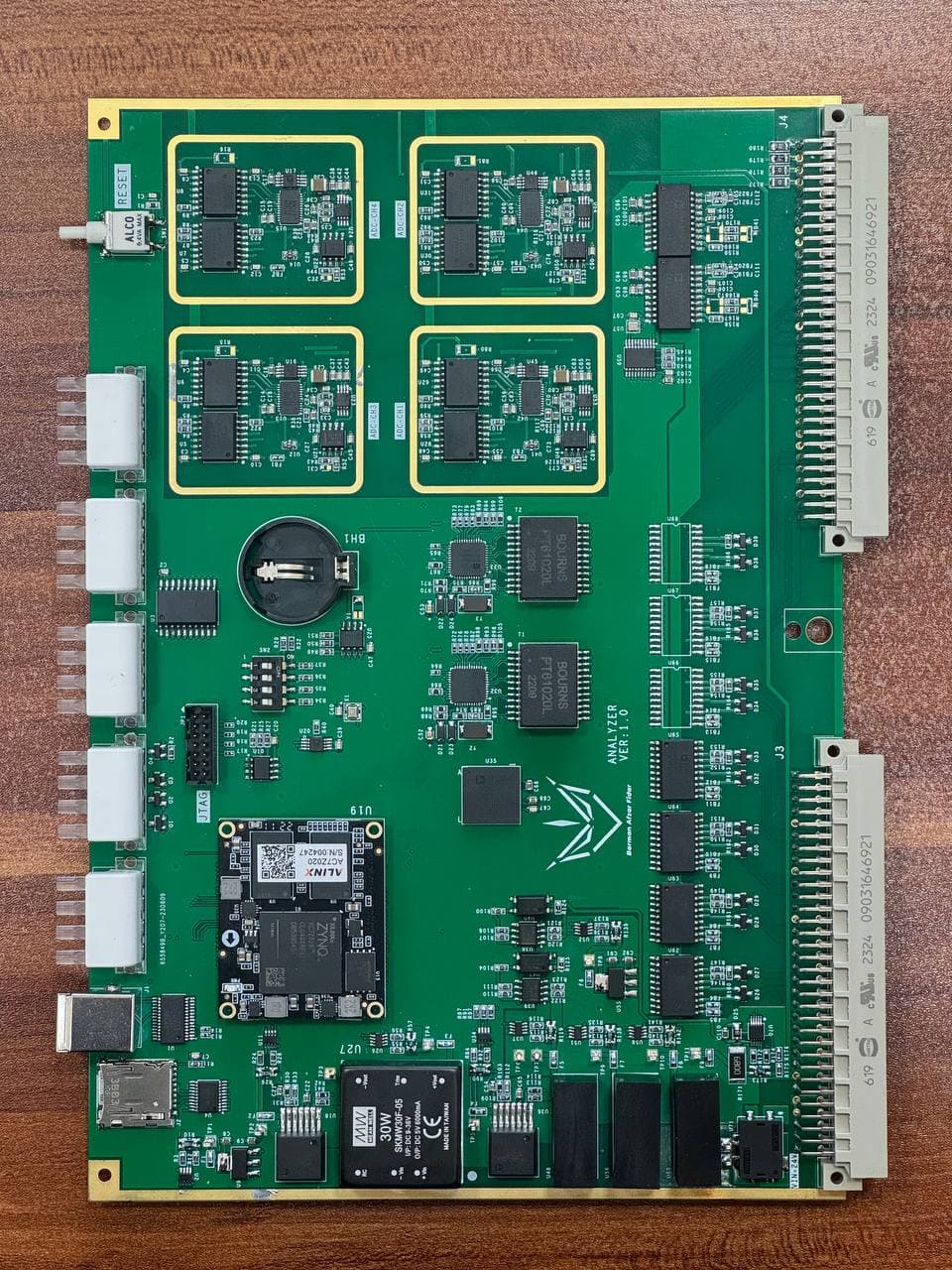
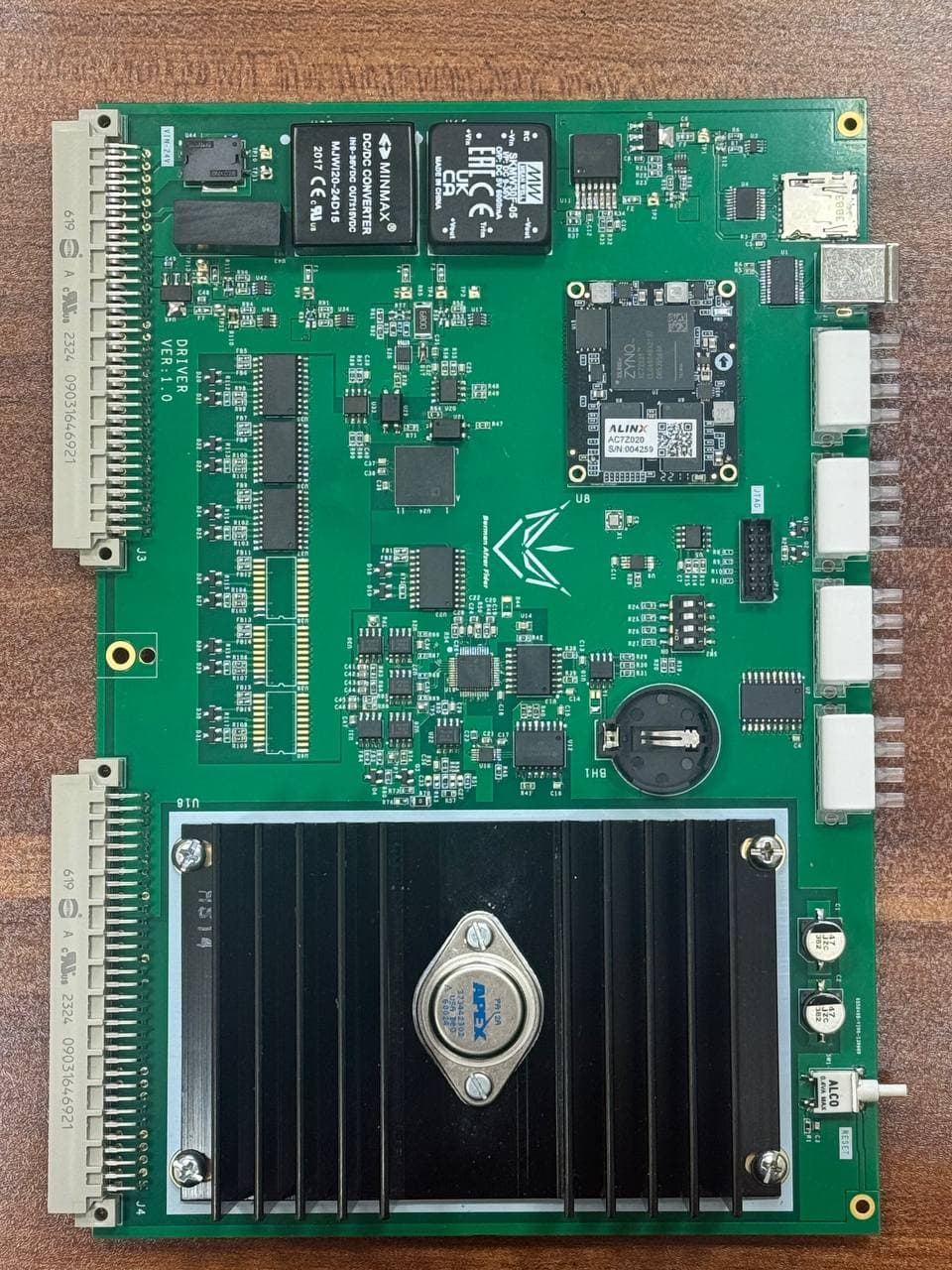
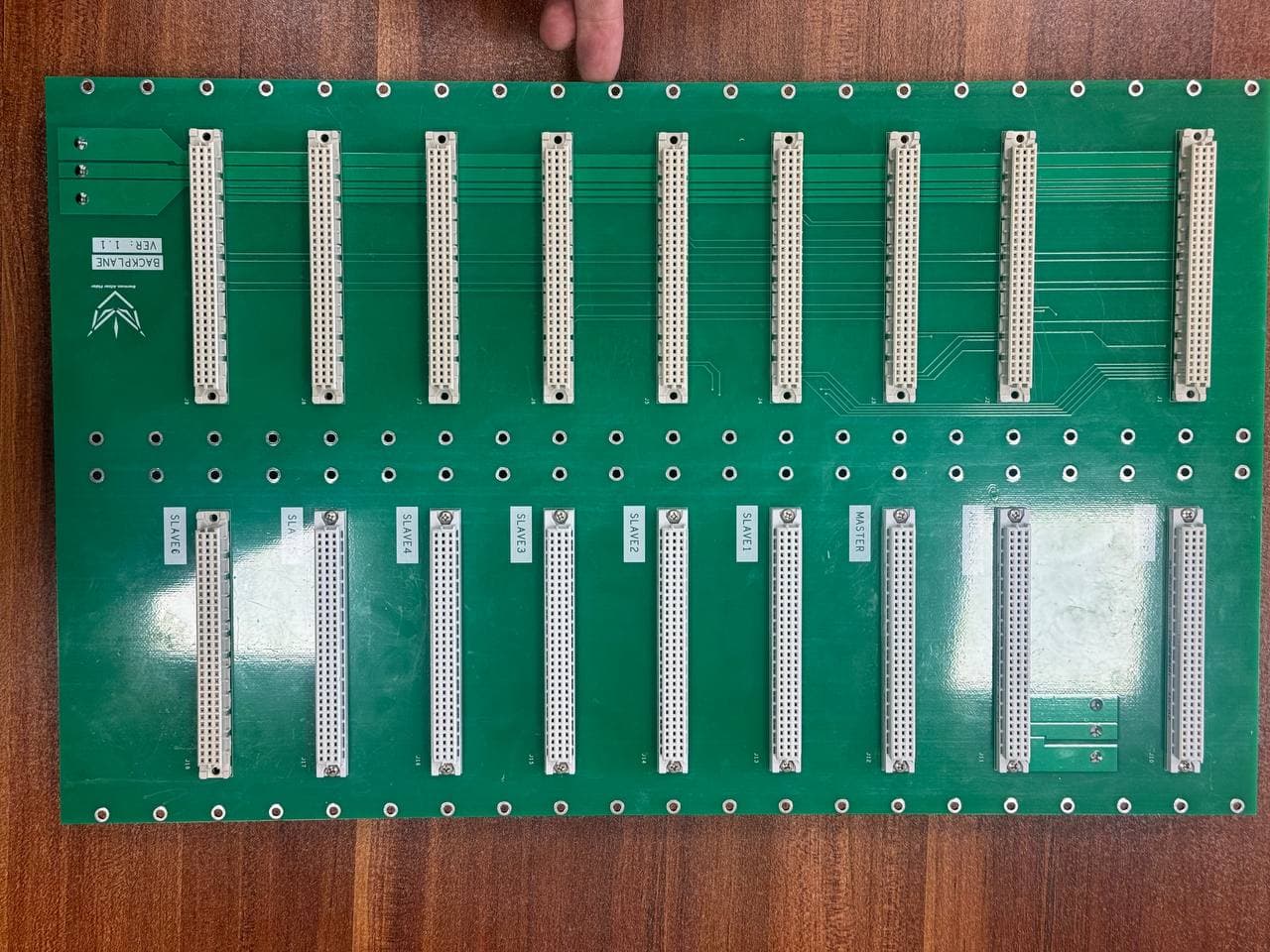
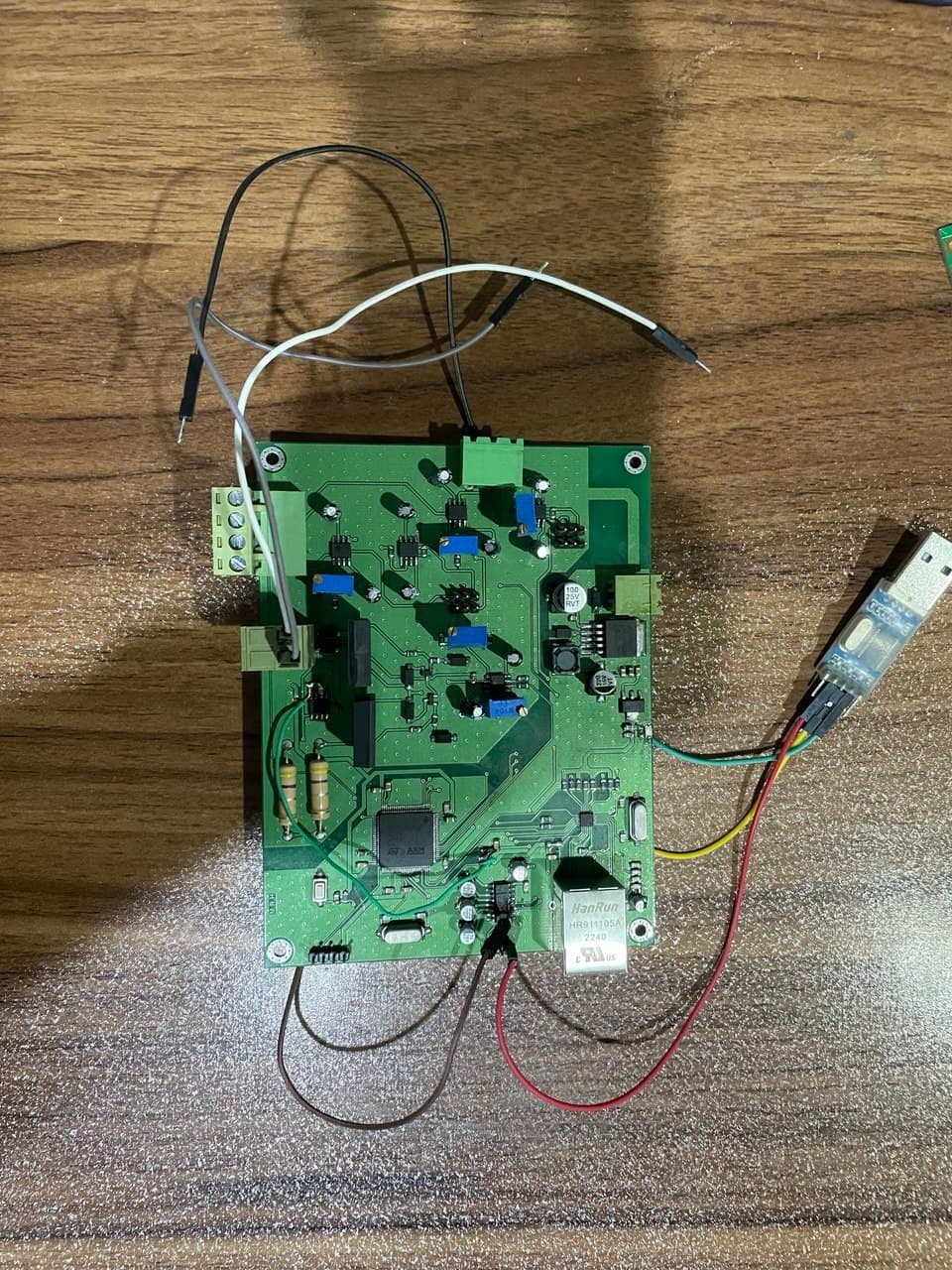
Electromagnetic Slag Detection and Steel Casting Optimization System project media

Summary

Engineering context

Developed an industrial electromagnetic slag-detection platform for molten-steel casting optimization using FPGA-based signal analysis, custom six-layer PCBs, industrial PLC systems, and real-time electromagnetic sensing.

Category
Industrial Automation
Year
Jan 2021 - Dec 2024
Status
Industrial Deployment
Context
Barman Afzar Fidar (Jan 2021 - Dec 2024) / Iran Alloy Steel Company

My Role

Industrial Systems and Embedded Electronics Engineer
Technical Stack

  • Zynq FPGA
  • ARM Processing Systems
  • Vivado
  • Siemens S7-1200
  • STM32H7
  • Embedded C
  • Mixed-Signal PCB Design
  • Industrial HMI
  • Industrial Automation
  • FPGA Systems
  • Embedded Systems
  • Industrial Sensing
  • Signal Processing
  • Industrial Electronics
  • Metallurgical Automation
  • FPGA
  • Zynq
  • PLC
  • Mixed-Signal Electronics
  • Metallurgy
  • PCB Design

System Architecture

  • Electromagnetic transformer-based sensing structure surrounded molten-steel flow
  • Push-pull Class-AB amplifier excited the primary sensing winding
  • Secondary winding measurements captured electromagnetic phase-shift behavior
  • Molten metal and slag acted as the magnetic core of the sensing structure
  • FPGA and ARM systems processed electromagnetic signal characteristics in real time
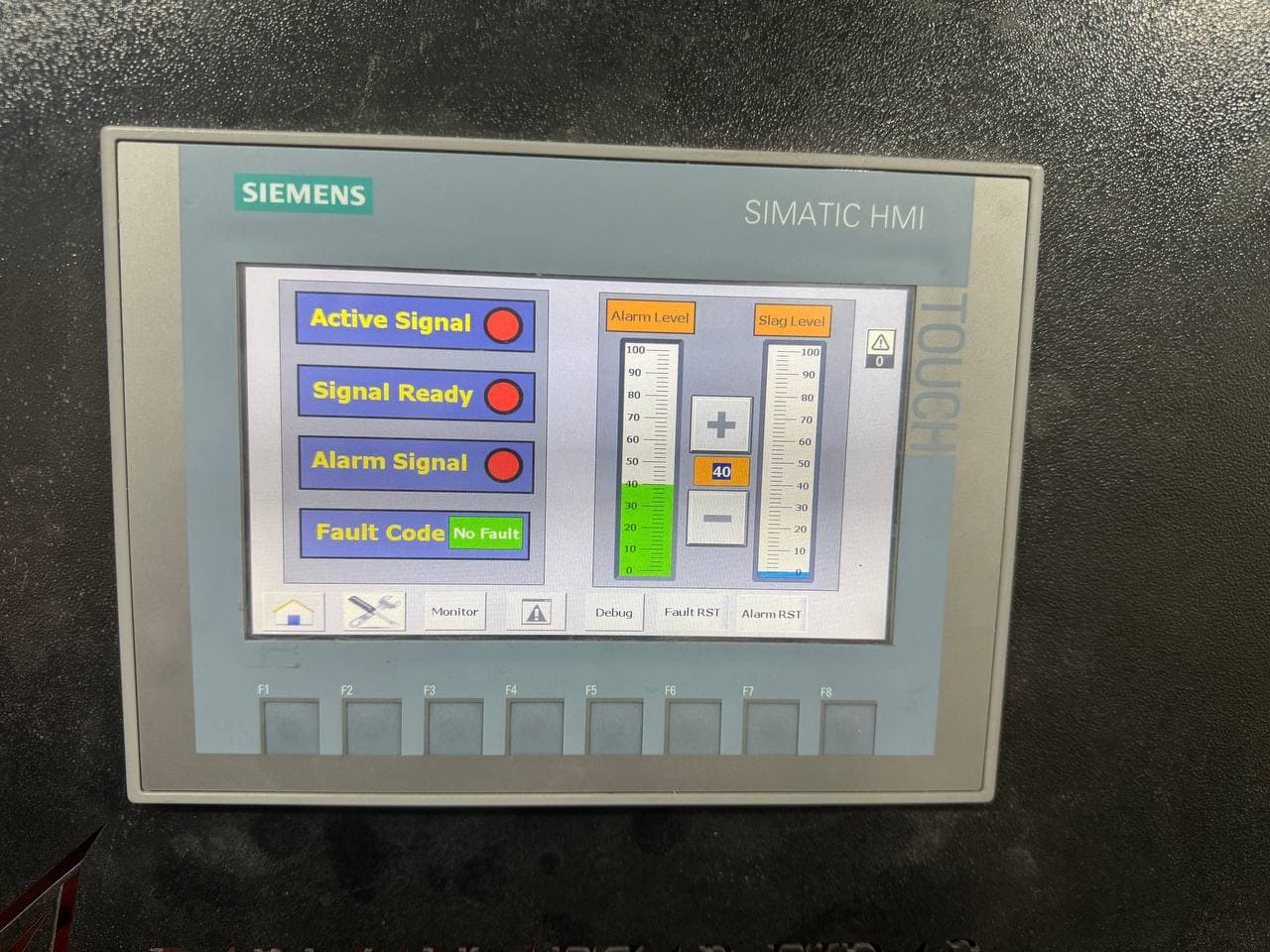
  • Industrial PLC and HMI systems integrated process monitoring and operator interaction

Engineering Challenges

  • Measuring electromagnetic phase differences in harsh industrial environments
  • Designing stable mixed-signal high-power analog systems
  • Developing real-time industrial signal-processing architecture
  • Integrating FPGA, PLC, and industrial telemetry systems
  • Designing reliable six-layer industrial PCB systems
  • Maintaining sensing stability in molten-steel environments

Hardware / Firmware / Software

Hardware

  • Zynq FPGA/ARM platforms
  • Six-layer custom PCB systems
  • Electromagnetic sensing hardware
  • Class-AB push-pull driver systems
  • Siemens S7-1200 PLC
  • Industrial HMI systems
  • STM32H7 proof-of-concept controller
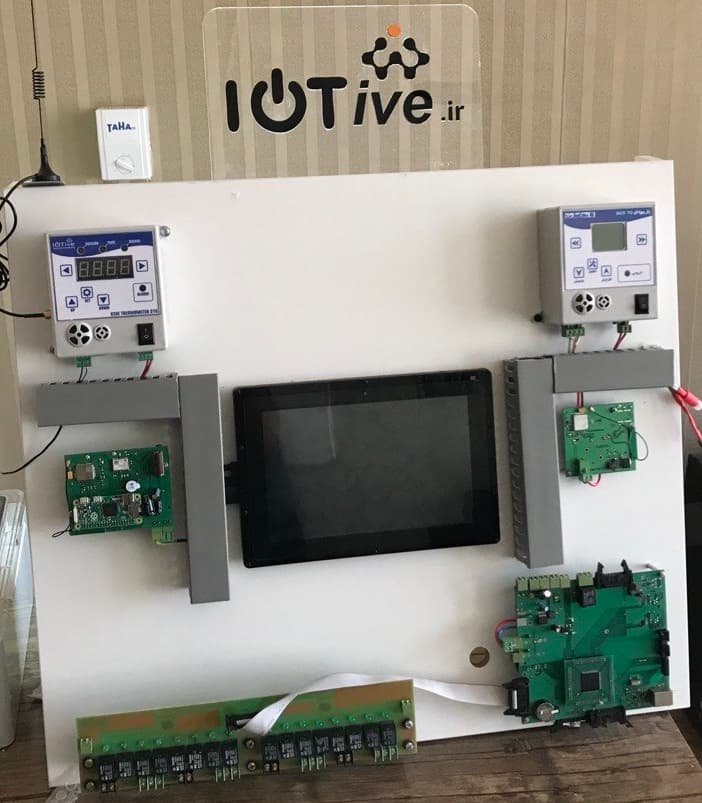
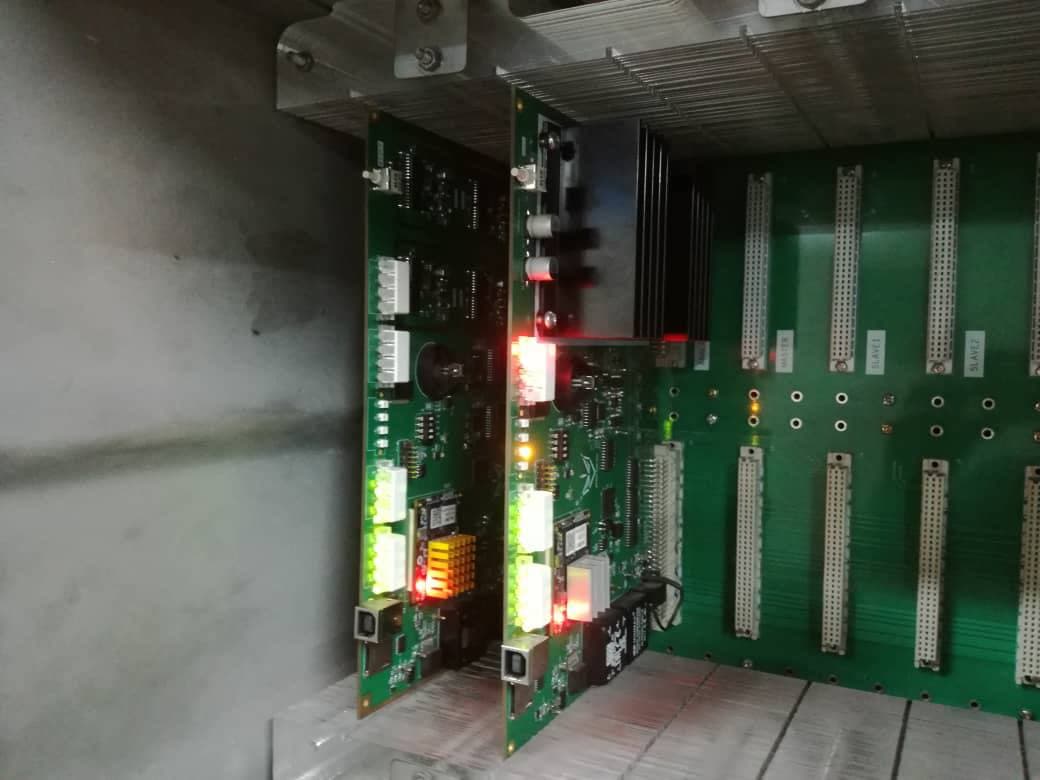
  • Industrial cabinet and backplane systems

Firmware

  • ARM-core embedded firmware
  • Embedded signal acquisition systems
  • FPGA-integrated processing systems
  • STM32H7 embedded firmware
  • Industrial telemetry firmware

Software

  • Industrial HMI systems
  • Process monitoring systems
  • Industrial signal-analysis systems
  • PLC process-control logic

Sensors

  • Electromagnetic transformer-based slag sensor
  • Industrial process sensing systems

Protocols

  • Industrial Ethernet
  • PLC communication systems
  • Embedded serial communication

Results / Outcomes

  • Achieved approximately 88% slag-detection accuracy
  • Saved approximately 2 tons of steel per casting cycle
  • Successfully deployed industrial slag-detection platform
  • Integrated FPGA, PLC, and embedded telemetry systems into a unified industrial solution
  • Demonstrated real-time molten-steel process monitoring and optimization

Gallery

Engineering Notes

Electromagnetic Sensing Principle

The sensing system used a transformer-like electromagnetic structure surrounding the molten-steel flow path.

The sensor consisted of:

  • primary excitation winding
  • secondary sensing winding
  • electromagnetic excitation driver
  • signal-analysis electronics

A push-pull Class-AB amplifier generated sinusoidal excitation signals through the primary winding.

The molten metal and slag acted as the magnetic core of the transformer system, affecting electromagnetic coupling characteristics and phase relationships between the primary and secondary windings.

The system measured phase differences in the received sine-wave signals to detect slag conditions during casting operations.

FPGA and Signal Processing Architecture

The system used Zynq FPGA/ARM platforms for:

  • signal acquisition
  • real-time processing
  • telemetry integration
  • industrial communication
  • electromagnetic signal analysis

The FPGA/ARM architecture enabled reliable real-time analysis of electromagnetic phase behavior in harsh industrial environments.

I contributed to ARM-core software development and embedded integration using Vivado workflows.

Industrial Automation and PLC Integration

The sensing platform was integrated into industrial process-control infrastructure using:

  • Siemens S7-1200 PLC systems
  • industrial HMI interfaces
  • telemetry systems
  • industrial cabinet architectures

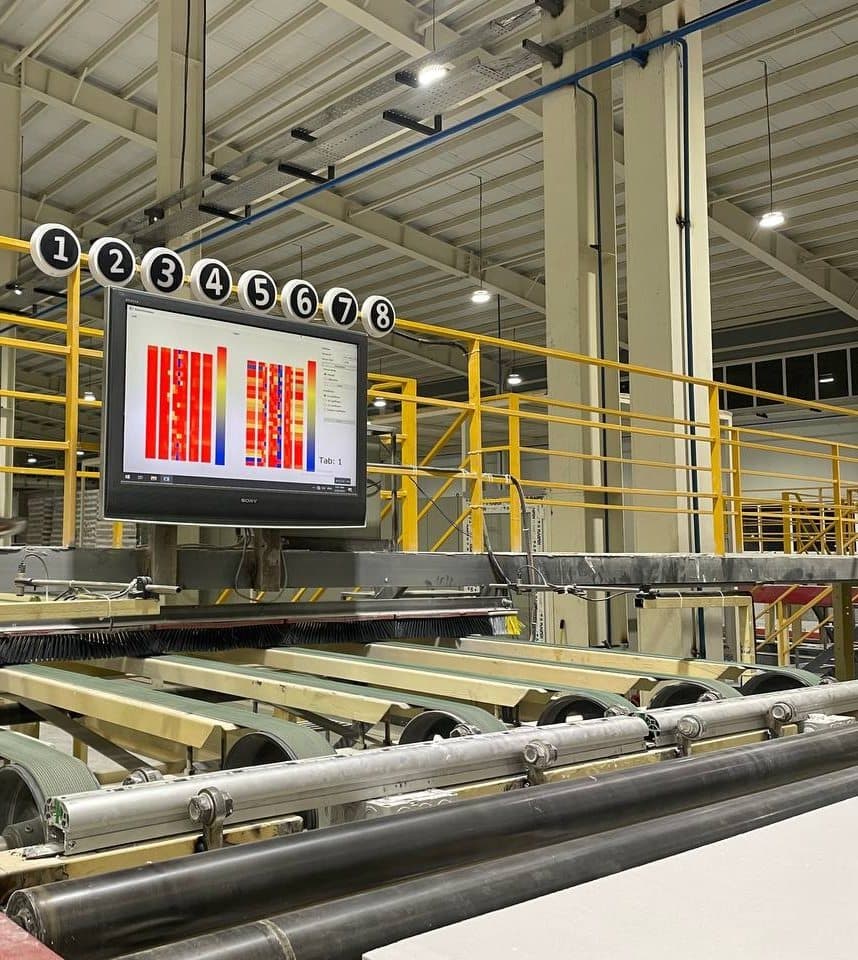
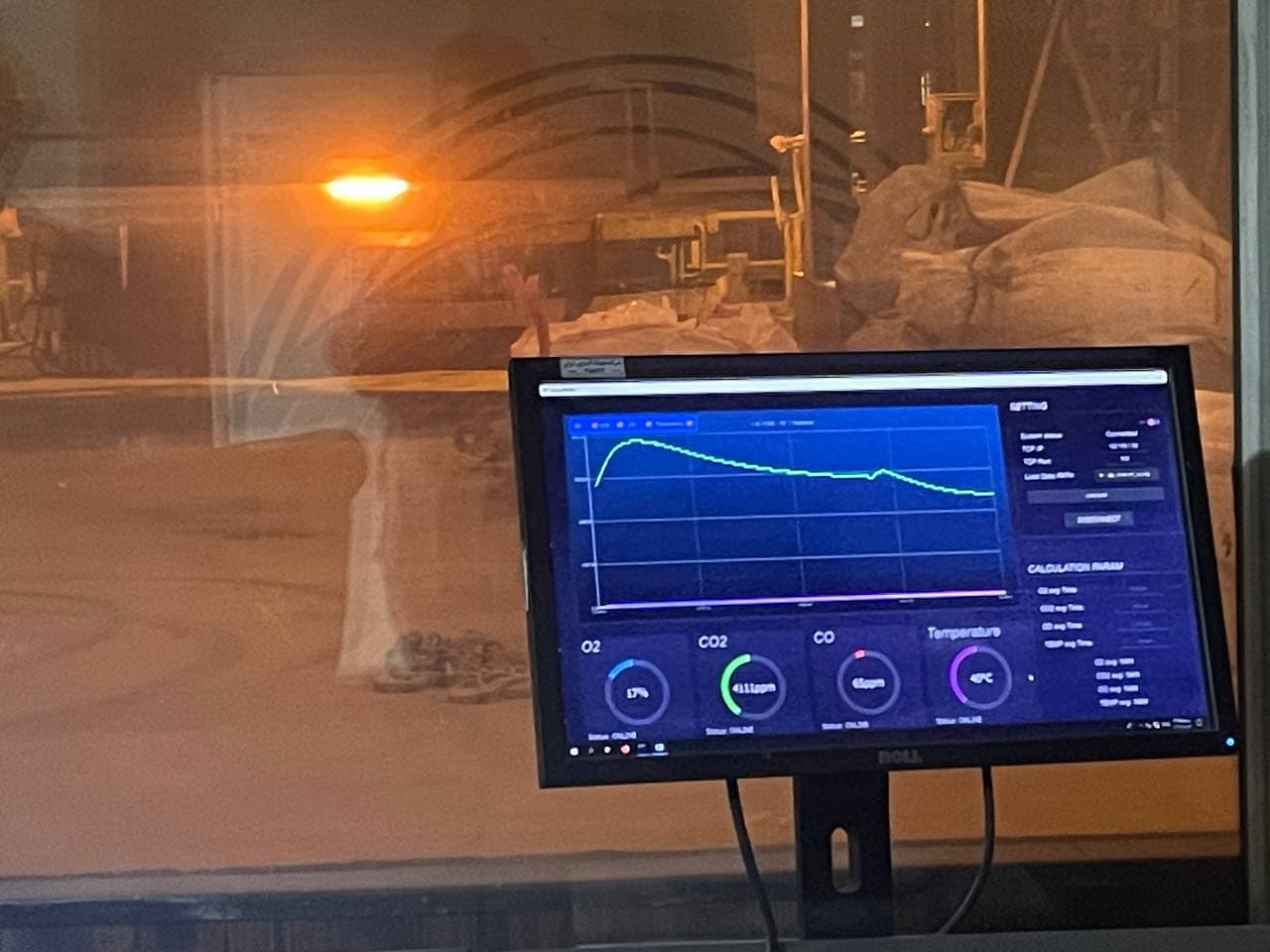
The HMI system visualized process conditions and slag-detection states for industrial operators.

Industrial Impact

The deployed system achieved:

  • approximately 88% slag-detection accuracy
  • savings of approximately 2 tons of steel per casting cycle

The project demonstrated real-world deployment of advanced industrial sensing and signal-processing systems within heavy-industry steel-manufacturing environments.