Back to case studies

Robotics

AJNA Autonomous ICU Assistance and Telepresence Robot

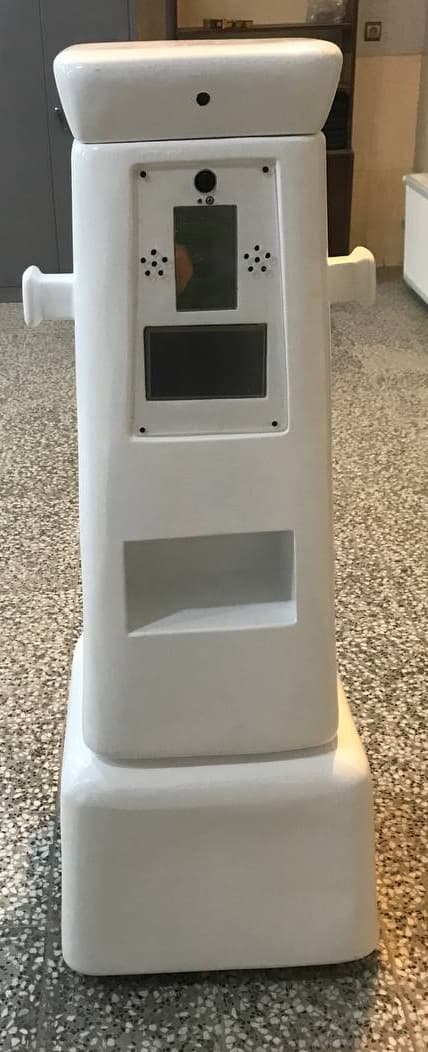
Developed an autonomous healthcare robotics platform during the COVID-19 pandemic for ICU assistance, telepresence communication, patient monitoring, and autonomous medicine delivery.
  • STM32F4
  • Embedded C
  • Computer Vision
  • SLAM
  • Ethernet Communication
  • Android Application
  • Autonomous Navigation
AJNA Autonomous ICU Assistance and Telepresence Robot project media

Summary

Engineering context

Developed an autonomous healthcare robotics platform during the COVID-19 pandemic for ICU assistance, telepresence communication, patient monitoring, and autonomous medicine delivery.

Category
Robotics
Year
Oct 2017 - Dec 2020
Status
Prototype Deployment
Context
Yazd University MSc (Oct 2017 - Dec 2020), in collaboration with Yazd Medical University during the COVID-19 pandemic

My Role

Computer Vision and Embedded Systems Engineer
Technical Stack

  • STM32F4
  • Embedded C
  • Computer Vision
  • SLAM
  • Ethernet Communication
  • Android Application
  • Autonomous Navigation
  • Healthcare Robotics
  • Embedded Systems
  • Telepresence Robotics
  • Medical Robotics
  • Robotics
  • STM32
  • Telepresence
  • Mobile Robotics

System Architecture

  • Autonomous mobile robot platform operated within ICU environments
  • Computer vision system detected and monitored patients
  • Embedded STM32F4 controller managed robot subsystems and communication
  • Ethernet-connected control architecture enabled communication with hospital infrastructure
  • Telepresence system allowed remote doctor-patient interaction
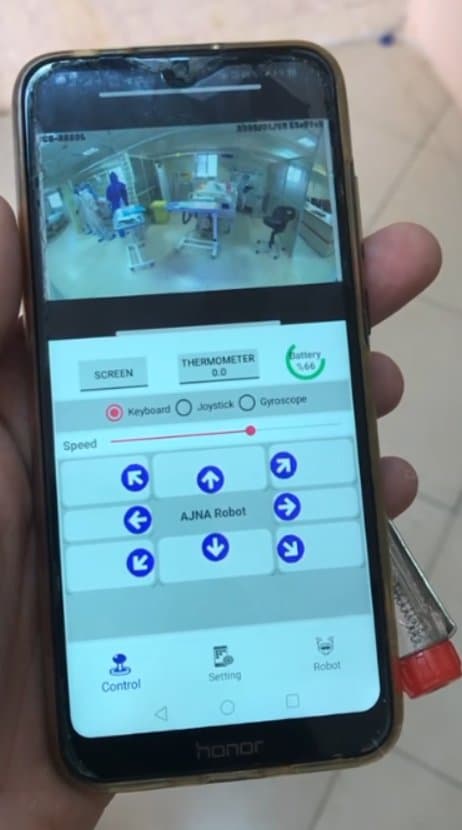
  • Mobile application provided monitoring and robot interaction capabilities

Engineering Challenges

  • Reliable patient detection in ICU environments
  • Autonomous navigation in dynamic hospital spaces
  • Integrating healthcare communication systems with robotics
  • Designing reliable embedded networking hardware
  • Developing safe autonomous operation in medical environments

Hardware / Firmware / Software

Hardware

  • Autonomous mobile robot platform
  • STM32F4 robot control board
  • Ethernet communication interface
  • Patient monitoring sensors
  • Embedded networking systems

Firmware

  • STM32F4 embedded firmware
  • Robot motion control firmware
  • Sensor acquisition firmware
  • Embedded communication stack
  • Ethernet communication firmware

Software

  • Computer vision patient detection system
  • SLAM and navigation system
  • Autonomous medicine delivery logic
  • Android application integration
  • Telepresence communication interface

Sensors

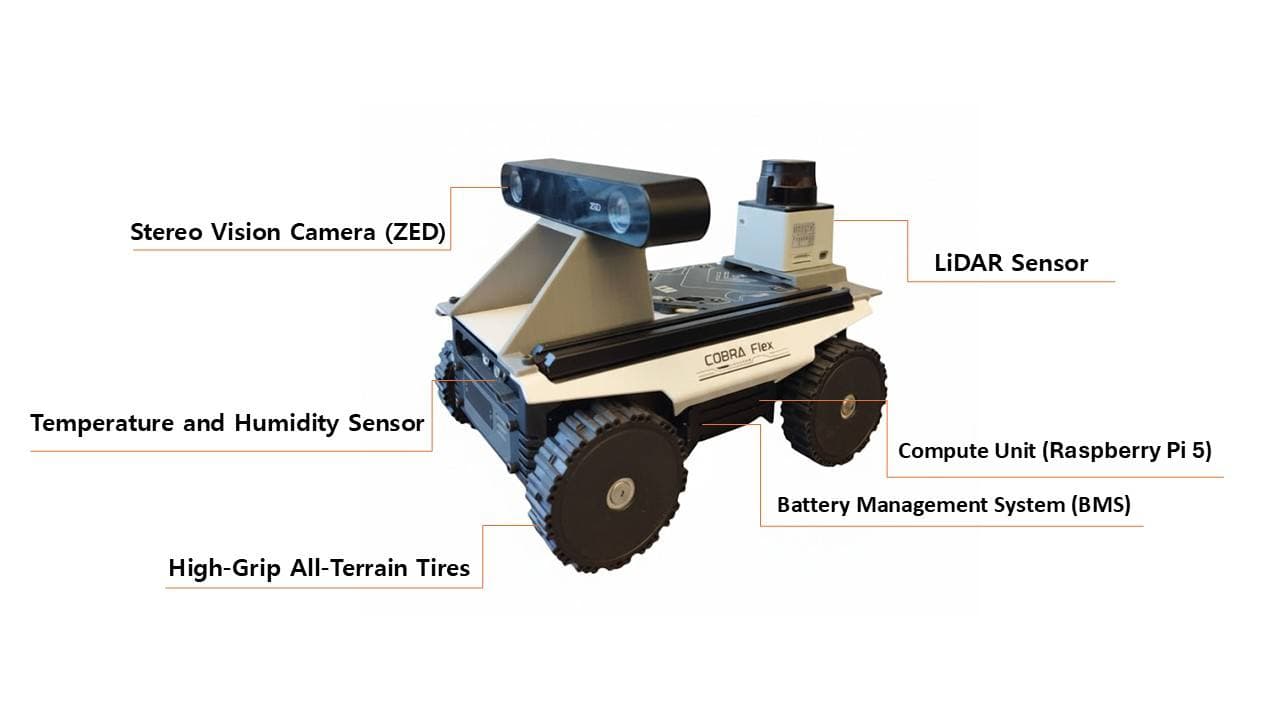
  • Temperature measurement sensors
  • Vision-based patient detection system
  • Robot navigation sensors

Protocols

  • Ethernet
  • TCP/IP
  • Embedded serial communication

Results / Outcomes

  • Successfully developed autonomous ICU assistance platform
  • Enabled remote doctor-patient communication
  • Reduced direct healthcare-worker exposure during COVID-19
  • Demonstrated autonomous medicine delivery capability
  • Integrated embedded systems, SLAM, networking, and computer vision into a healthcare robotics platform

Gallery

Engineering Notes

Autonomous Healthcare Platform

The robot was capable of:

  • autonomous movement within ICU environments
  • patient detection and interaction
  • temperature monitoring
  • medicine transport and delivery
  • remote telepresence communication

The system was designed to support patients who could independently receive medicine while minimizing unnecessary healthcare-worker exposure.

Embedded Control and Networking

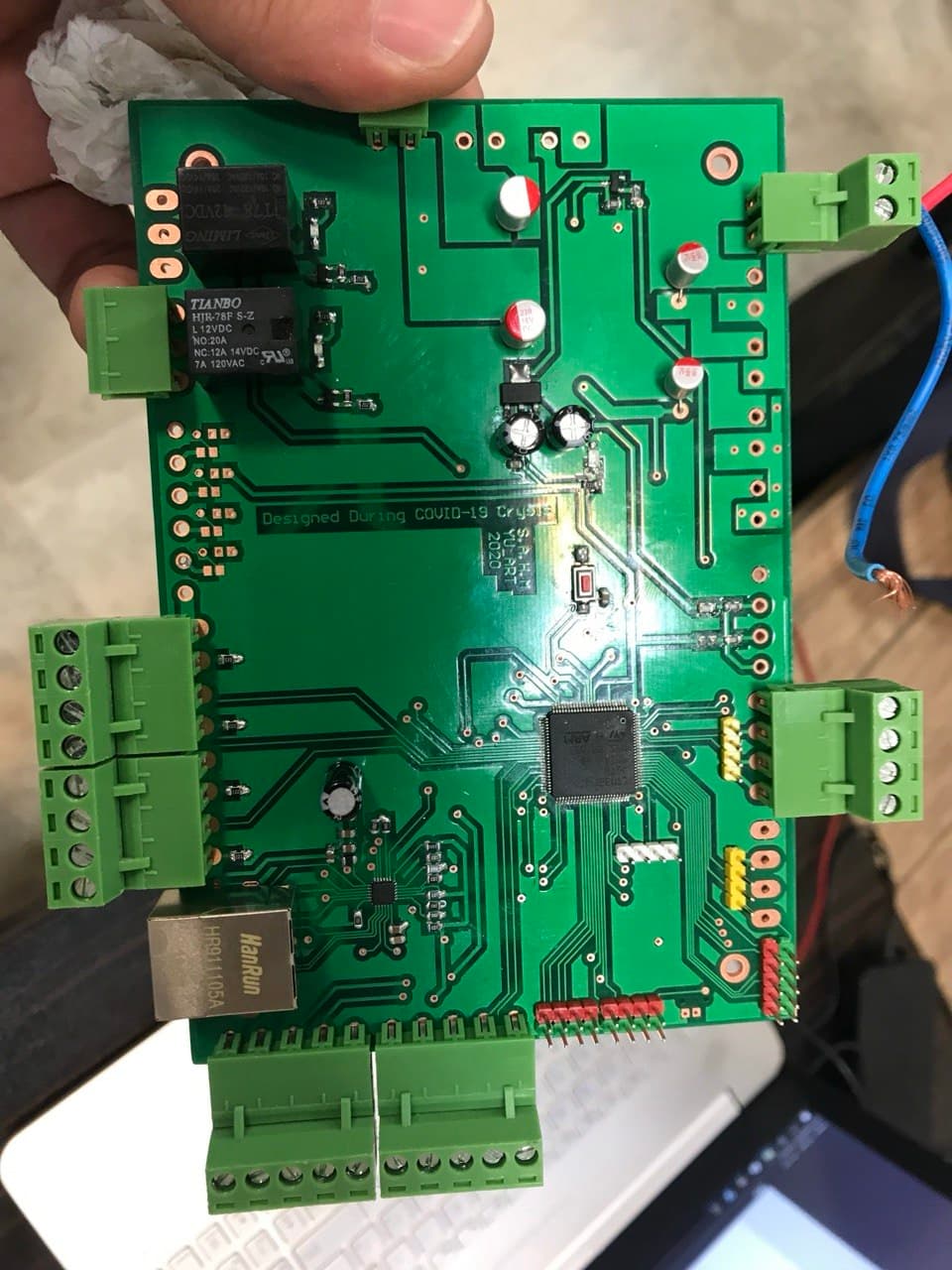
A custom STM32F4-based robot control board was developed for the platform.

The PCB included:

  • embedded motor-control interfaces
  • Ethernet communication interface
  • networking subsystem integration
  • sensor interfaces
  • robot subsystem coordination

The Ethernet interface connected the robot to hospital networking infrastructure, enabling communication between:

  • the robot
  • mobile application
  • remote operators
  • hospital systems

Telepresence and Mobile Application

The system included a mobile application and telepresence interface that allowed doctors to communicate with patients remotely without physically entering ICU spaces unnecessarily.

This capability became particularly important during the COVID-19 pandemic where minimizing direct exposure was critical.