Back to case studies

Robotics

Autonomous Drone System for Copper Cable Recovery and Infrastructure Inspection

Developed an autonomous PX4-based drone platform for utility-infrastructure inspection and copper-cable recovery using Mask R-CNN segmentation, monocular metric depth estimation, and vision-guided autonomous positioning.

  • PX4
  • Mask R-CNN
  • Depth Anything V2
  • Python
  • Computer Vision
  • Autonomous Navigation
  • Embedded Systems

Summary

Engineering context

Developed an autonomous PX4-based drone platform for utility-infrastructure inspection and copper-cable recovery using Mask R-CNN segmentation, monocular metric depth estimation, and vision-guided autonomous positioning.

Category
Robotics
Year
Mar 2025 - Present
Status
Research Prototype
Context
University of Regina MSc / NSERC IRC (Mar 2025 - Present), in collaboration with SaskTel

My Role

Autonomous Systems and Computer Vision Engineer
Technical Stack

  • PX4
  • Mask R-CNN
  • Depth Anything V2
  • Python
  • Computer Vision
  • Autonomous Navigation
  • Embedded Systems
  • Autonomous Robotics
  • Drone Systems
  • Infrastructure Inspection
  • AI Perception Systems
  • Depth Estimation
  • Autonomous Drones
  • Robotics
  • NSERC

System Architecture

  • PX4 autonomous drone platform provided infrastructure-inspection mobility
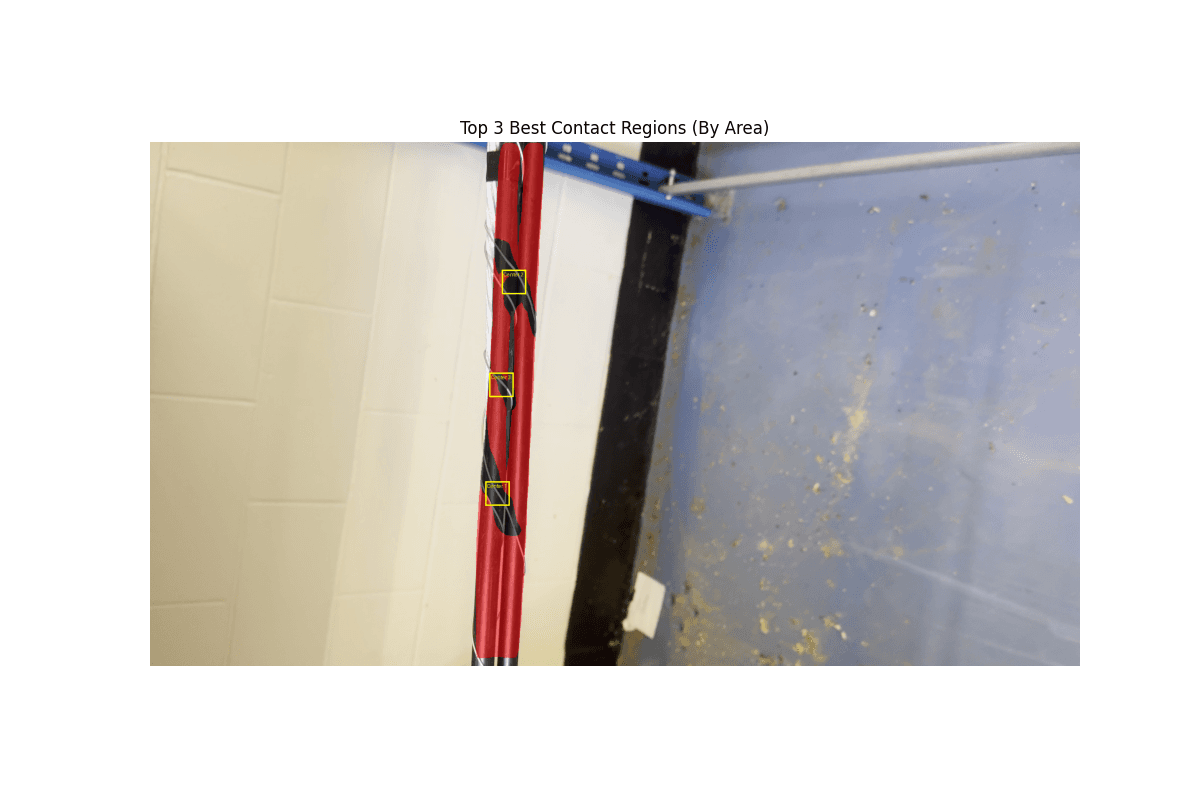
  • Mask R-CNN segmentation identified cable bundles and cutting locations
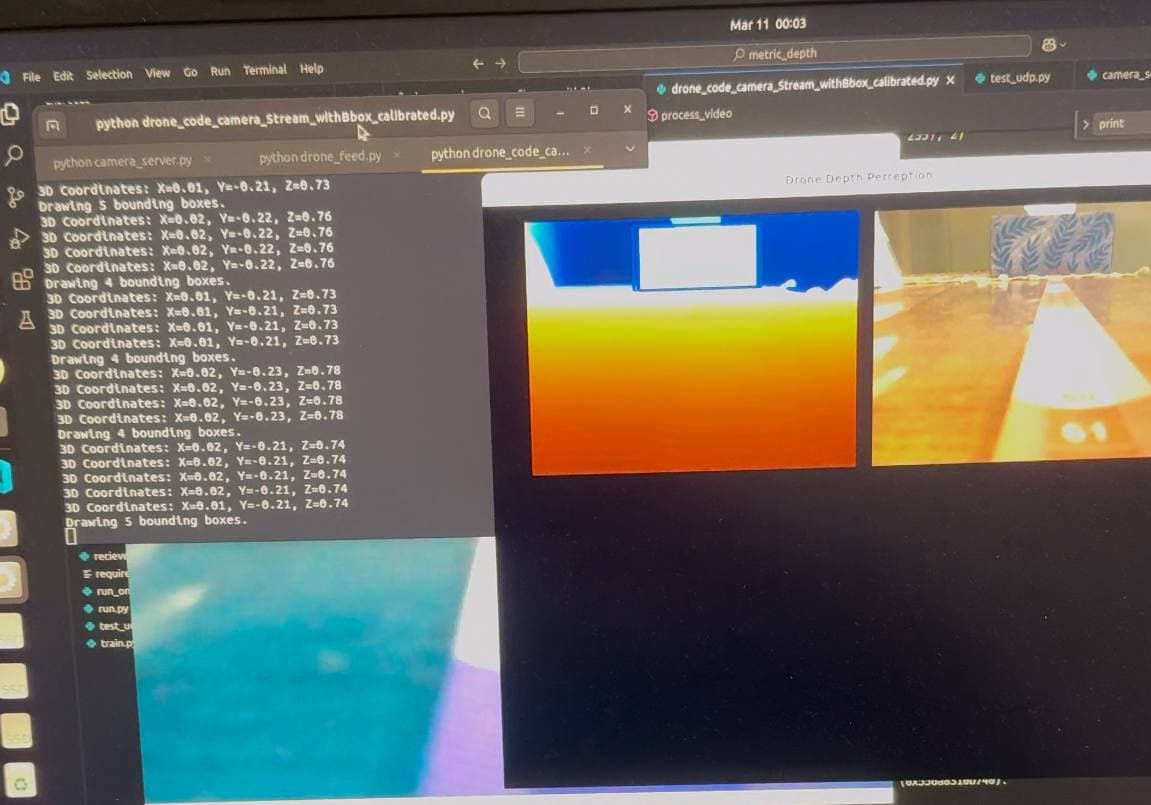
  • Depth Anything V2 estimated monocular metric depth from visual imagery
  • Computer vision systems guided autonomous positioning and interaction
  • Vision-based drone control demonstrated perception-guided motion behavior
  • Autonomous infrastructure-inspection pipeline combined perception and robotic positioning

Engineering Challenges

  • Detecting cutting points on cable bundles reliably
  • Estimating metric depth from monocular imagery
  • Integrating AI perception systems with autonomous drone control
  • Stabilizing vision-guided autonomous positioning
  • Developing infrastructure-inspection workflows for aerial robotics

Hardware / Firmware / Software

Hardware

  • PX4-based autonomous drone platform
  • Embedded flight-control systems
  • Vision-processing systems
  • Inspection camera systems
  • Autonomous navigation hardware

Firmware

  • PX4 flight-control firmware
  • Embedded flight-system configuration
  • Autonomous navigation integration

Software

  • Mask R-CNN segmentation pipeline
  • Monocular metric depth-estimation system
  • Computer vision positioning algorithms
  • Autonomous inspection software
  • Vision-guided control systems

Sensors

  • Vision-based inspection systems
  • Monocular depth-estimation systems
  • Autonomous positioning sensors

Protocols

  • MAVLink
  • Embedded serial communication

Results / Outcomes

  • Successfully trained Mask R-CNN segmentation models for cable detection
  • Implemented monocular metric depth estimation using Depth Anything V2
  • Demonstrated autonomous vision-guided drone positioning
  • Demonstrated computer-vision-based drone interaction using AprilTags
  • Developed proof-of-concept autonomous infrastructure-inspection platform

Gallery

Engineering Notes

Autonomous Drone Platform

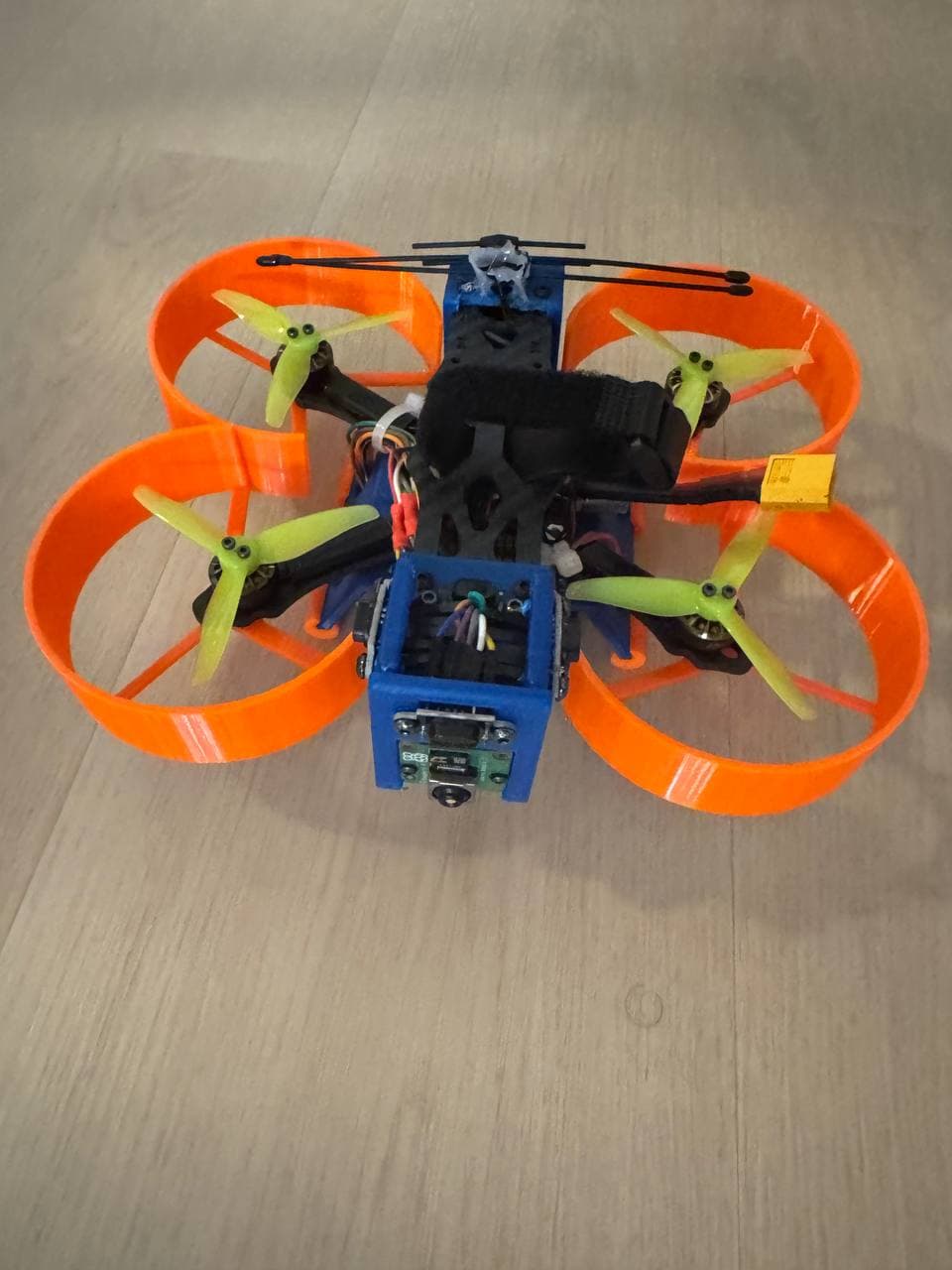
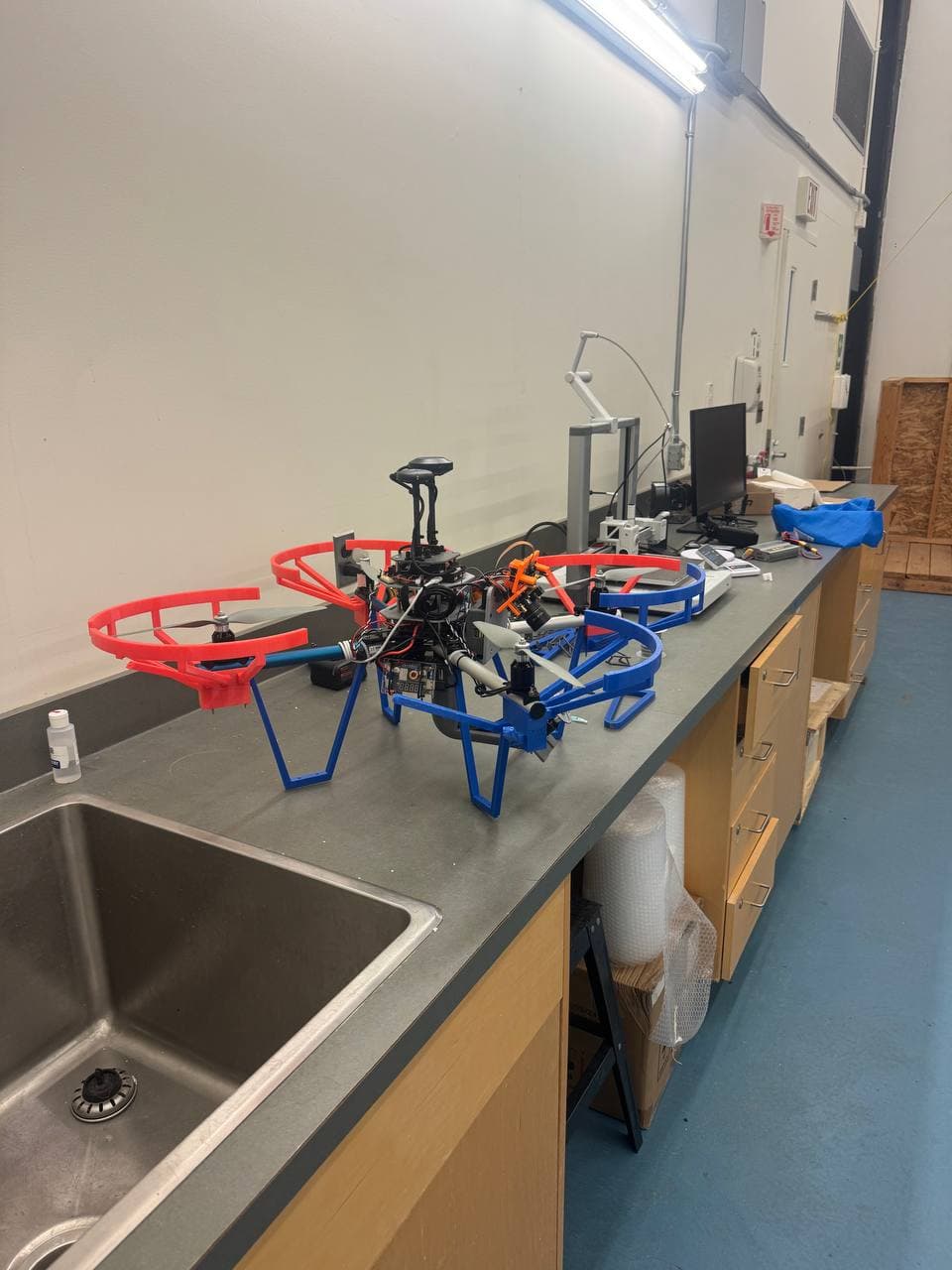
The inspection platform used a PX4-based autonomous drone system equipped with:

  • onboard vision systems
  • autonomous positioning capability
  • infrastructure-inspection sensing
  • computer-vision-guided interaction

The drone was designed for controlled positioning near communication-cable infrastructure.

Cable Detection and Cutting-Point Segmentation

A Mask R-CNN segmentation pipeline was trained to:

  • detect cable bundles
  • segment lashing-wire regions
  • identify cutting points
  • support autonomous interaction workflows

The segmentation system formed part of the autonomous cable-recovery perception pipeline.

Monocular Metric Depth Estimation

Depth Anything V2 was integrated to provide monocular metric depth estimation using visual imagery.

The system enabled:

  • scene-depth understanding
  • relative positioning
  • infrastructure-distance estimation
  • perception-guided navigation assistance

without requiring dedicated LiDAR hardware.

Vision-Guided Drone Demonstrations

AprilTag-based demonstrations were developed to validate:

  • computer-vision-guided positioning
  • autonomous approach behavior
  • controlled interaction
  • perception-guided drone motion

The system demonstrated stable autonomous approach and contact behavior using visual positioning techniques.